
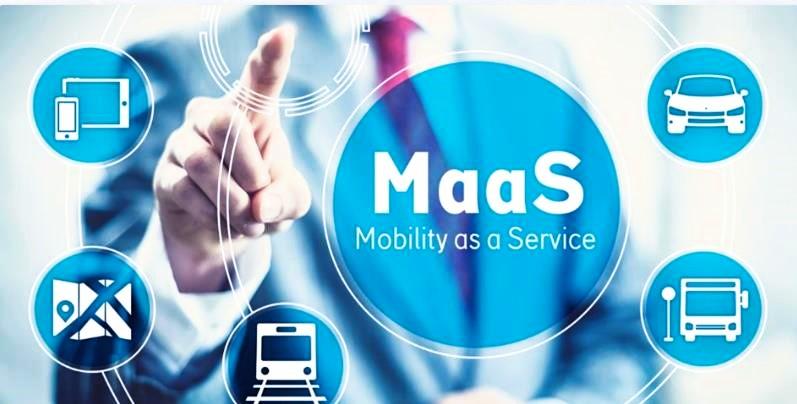
The emergence of the Mobility as a Service Industry is not just about a new type of mobile application; it represents a fundamental rethinking of urban transportation with profound and far-reaching impacts on our cities, our environment, and our lifestyles. By shifting the paradigm from owning assets (like a car) to consuming services (mobility), the MaaS industry is poised to be a major force for positive change. It provides a powerful, market-driven framework for creating a more sustainable, more equitable, and more efficient urban transportation ecosystem. The industry's impact will be felt by individual citizens, public transit agencies, city planners, and the automotive industry, heralding a new era of integrated, intelligent, and human-centric urban movement.
The most significant potential impact of the industry is on urban sustainability and livability. Private cars are a major source of urban traffic congestion, air pollution, and carbon emissions. They also demand a huge amount of valuable urban land for roads and parking. The MaaS industry directly addresses these problems by making it more attractive and convenient for people to use more sustainable and space-efficient modes of transport, such as public transit, cycling, and shared mobility. A successful and widespread adoption of MaaS could lead to a significant reduction in the number of cars on the road, which would dramatically improve air quality, reduce traffic noise, and allow cities to reclaim land from parking lots and oversized roads for more productive and enjoyable uses, like parks, housing, and pedestrian-friendly public spaces.
The MaaS industry also promises to have a major impact on social equity and accessibility. For many people, including low-income individuals, the elderly, and people with disabilities, the high cost of car ownership or the inability to drive can be a major barrier to mobility, limiting their access to jobs, healthcare, and social opportunities. The MaaS industry can help to bridge this gap. By providing a single, easy-to-use platform that integrates affordable public transit with other on-demand options, it can provide a reliable and cost-effective mobility solution for everyone. Many MaaS initiatives are being designed in partnership with cities to include subsidized fares for low-income residents and to integrate specialized paratransit services for people with disabilities, creating a more equitable transportation system for all.
Furthermore, the MaaS industry is having a disruptive and transformative impact on the traditional automotive and transportation industries. For public transit agencies, MaaS offers a powerful new way to attract riders and to better integrate their services with the first and last mile of a journey. For the automotive industry, it signals a major long-term shift from a business model based on selling cars to individuals to one based on providing mobility services and operating fleets of vehicles. This is why major car manufacturers are investing heavily in their own MaaS and car-sharing platforms. The MaaS industry is the catalyst that is forcing all the players in the transportation ecosystem—public and private—to break down their silos and to start working together to create a more integrated and customer-centric system.
Other Exclusive Reports:

 English
 Arabic
 French
 Spanish
 Portuguese
 Deutsch
 Turkish
 Italiano
 Russian
 Romaian
 Portuguese (Brazil)
 Greek
Greek