
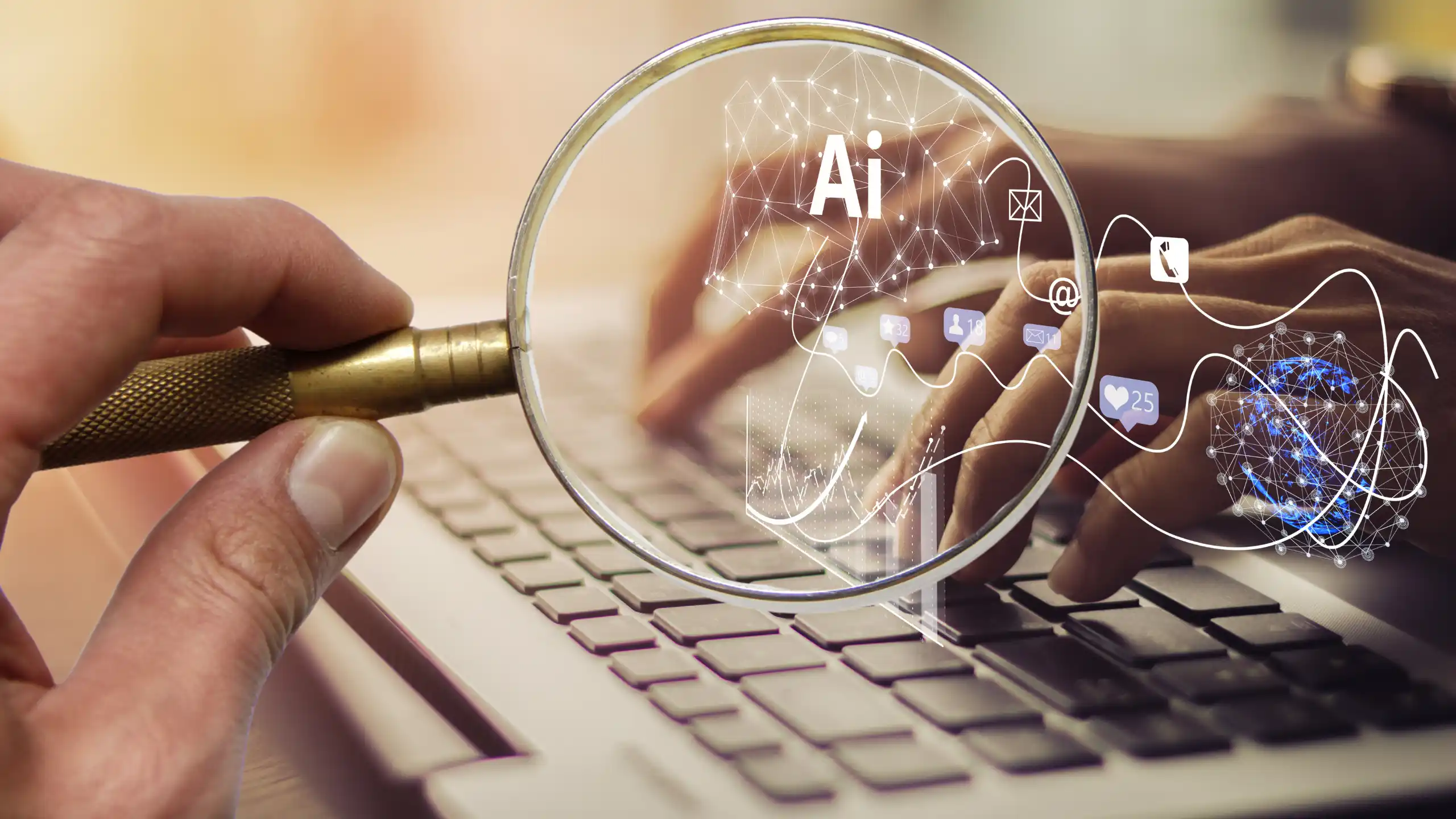
The Rise of Artificial Intelligence in Content Creation
In today’s fast-paced digital world, artificial intelligence has become a powerful tool for creating content. From blog posts and marketing copy to academic writing and social media captions, AI can generate text within seconds. While this innovation saves time and boosts productivity, it also raises an important question: how do we distinguish between human-written and machine-generated content? This is where a KI detector steps in as a critical solution.
What is a KI Detector?
A KI detector is a specialized tool designed to identify whether a piece of content has been created by artificial intelligence or written by a human. “KI” stands for Künstliche Intelligenz, the German term for artificial intelligence. These detectors analyze writing patterns, sentence structures, and linguistic signals to determine the origin of the text.
Unlike simple plagiarism checkers, a KI detector goes deeper. It examines how ideas are formed, how predictable the language is, and whether the content reflects natural human thinking or algorithmic generation.
Why KI Detectors Are Becoming Essential
As AI writing tools grow more advanced, the line between human and machine content continues to blur. This creates challenges across multiple industries:
-
Education: Students may rely on AI to complete assignments, making it harder for educators to assess real understanding.
-
Content Marketing: Brands risk publishing low-quality or repetitive AI content that lacks originality.
-
Journalism: The spread of AI-generated misinformation can damage credibility and trust.
A KI detector helps maintain transparency and accountability. It ensures that content meets ethical standards and preserves the value of genuine human creativity.
How KI Detectors Work
KI detectors rely on advanced algorithms and machine learning models. They are trained on both human-written and AI-generated datasets to identify subtle differences. Here are some key factors they analyze:
-
Perplexity: Measures how predictable the text is. AI-generated content often has lower perplexity because it follows patterns.
-
Burstiness: Looks at variation in sentence length and complexity. Human writing tends to be more dynamic.
-
Contextual Flow: Evaluates how ideas connect and evolve naturally within the text.
By combining these elements, a KI detector can provide a probability score indicating whether the content is AI-generated or human-written.
Benefits of Using a KI Detector
The use of KI detectors offers numerous advantages:
1. Ensuring Originality
Writers and businesses can verify that their content is unique and not overly reliant on AI tools.
2. Maintaining Academic Integrity
Educational institutions can use KI detectors to discourage cheating and promote authentic learning.
3. Building Trust with Audiences
Readers value honesty. Knowing that content is human-created builds credibility and long-term trust.
4. Improving Content Quality
By identifying AI-heavy text, writers can refine and humanize their work, making it more engaging and relatable.
Limitations You Should Know
While KI detectors are powerful, they are not perfect. Sometimes, highly structured human writing may be flagged as AI-generated, and advanced AI content may pass as human. This means KI detectors should be used as supportive tools rather than absolute judges.
It’s also important to combine detection tools with human judgment. Context, intent, and expertise still play a vital role in evaluating content authenticity.
The Future of KI Detection Technology
As artificial intelligence continues to evolve, KI detectors are also becoming more sophisticated. Future tools are expected to integrate real-time analysis, deeper contextual understanding, and improved accuracy.
We may also see KI detectors embedded directly into content platforms, helping writers check authenticity instantly as they create. This seamless integration could reshape how we produce and consume digital content.
Balancing AI and Human Creativity
Rather than viewing AI as a threat, it’s more productive to see it as a collaborator. AI tools can assist with brainstorming, outlining, and drafting, while humans bring emotion, originality, and critical thinking.
A KI detector plays a key role in maintaining this balance. It ensures that while AI supports efficiency, human creativity remains at the core of meaningful content.
Final Thoughts
The digital landscape is changing rapidly, and tools like the detector IA are becoming essential for navigating this transformation. By helping distinguish between human and machine-generated content, these tools protect authenticity, encourage ethical practices, and uphold the value of genuine expression.
In a world where content is everywhere, originality is what truly stands out. And with the help of a reliable KI detector, we can ensure that authenticity continues to thrive in the age of artificial intelligence.
For More Blogs: Click Here

 Arabic
 French
 Spanish
 Portuguese
 Deutsch
 Turkish
 Dutch
Dutch
 Italiano
 Russian
 Romaian
 Portuguese (Brazil)
 Greek
Greek